Every face in frame gets checked against the lists you upload — banned visitors, staff, VIP guests — and a match sends an alert with identity, camera and timestamp before the person reaches the door. Nothing is enrolled automatically: a face only enters the database when an operator puts it there, and no biometric template is stored by default.
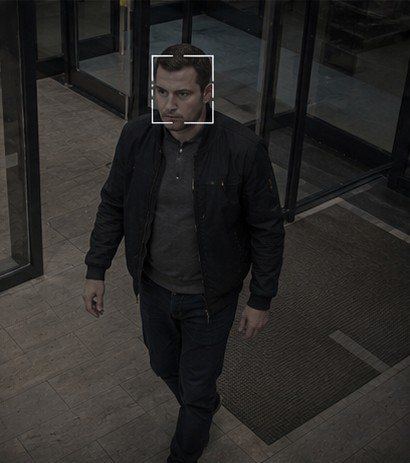
Every face that appears in a monitored zone, matched in real time against operator-uploaded watchlists — banned individuals, staff, VIPs — at 96%+ confidence, and cross-referenced against repeat appearances across cameras, so a person flagged at the loading dock is recognised again at the front entrance.
Restricted facilities, warehouses, office lobbies, retail loss-prevention floors, production sites, checkpoints, and any venue running access control against a watchlist rather than a badge alone.
Face and biometric data sit in a different legal category than a license-plate read or a motion event — under BIPA-style state statutes in the US and GDPR Article 9 in the EU, it's special-category data with its own consent and retention rules. Vengeea doesn't auto-enrol anyone: a face is added to a watchlist only when an operator uploads it, matching runs on-premises by default, and the module can be scoped down or switched off where local law requires it. That's a decision to work through with your legal team before rollout, not a setting buried in a menu after.
Face Recognition + Intrusion + Weapon Detection — identifies who entered a restricted zone, whether they're on a watchlist, and whether they're armed, all from the same camera feed. Full picture in seconds, not after someone pulls yesterday's recording.